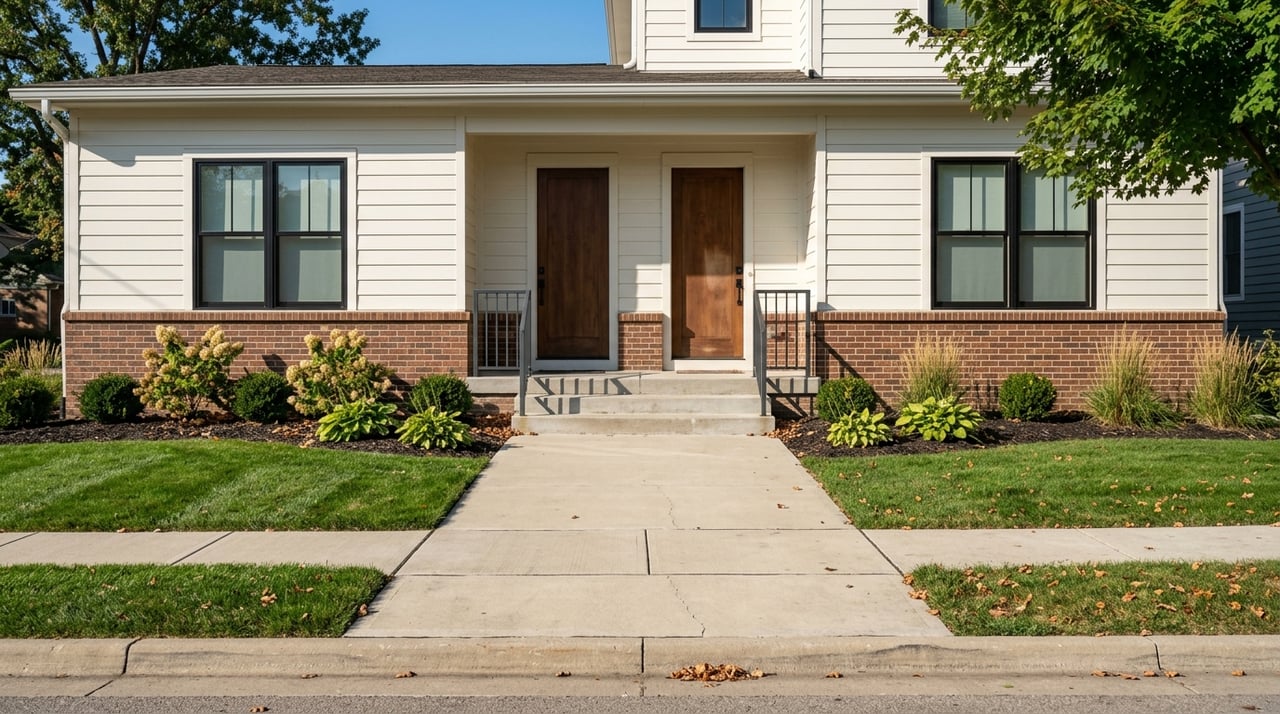
What to Know About Palatine Townhomes and Condos
July 23, 2026
July 23, 2026
If you want less exterior upkeep without giving up commuter convenience, Palatine deserves a closer look. For many buyers, a townhome or condo can offer a simpler day-to-day lifestyle, but the real decision goes far beyond the listing label. This guide will help you understand how condo and townhome living works in Palatine, what to review before you buy, and which costs and rules matter most. Let’s dive in.
Palatine offers a useful mix of suburban living and regional access. The Village of Palatine places itself about 30 miles from Chicago’s Loop and about 14 miles from O’Hare International Airport. It also highlights access to Interstate 90, Illinois Route 53, and U.S. Highways 12 and 14.
That transportation network can make Palatine appealing if you want a home base with easier access to work, travel, or surrounding suburbs. If your priority is convenience, a condo or townhome may fit well with that goal, especially if you prefer not to manage a large yard or handle as much exterior maintenance.
For rail commuters, downtown Palatine is served by Metra’s Union Pacific Northwest line. The station is located at 137 W. Wood Street, and the Village maintains the station, the Gateway Center parking garage, and nearby commuter lots. The Village also notes multiple daily-fee commuter lots and public parking spaces around downtown.
That kind of access can be a major advantage when you compare housing options. If you want a lower-maintenance home near transportation, Palatine gives you a practical setting to explore.
In Palatine, the words “condo” and “townhome” do not always tell you everything you need to know. In Illinois, the legal documents governing the community matter more than the label used in a listing.
The key question is simple: What belongs to you, and what does the association maintain? That answer affects your monthly costs, your responsibilities, and your long-term planning.
For condominiums, Illinois law requires sellers to provide important documents before the sale. These can include the declaration, bylaws, a projected operating budget, and a floor plan. For resale purchases, the disclosure packet can also include unpaid assessments, anticipated capital expenditures, reserve fund status, financial statements, pending suits or judgments, insurance coverage, and information about prior alterations.
Communities governed by the Common Interest Community Association Act also have resale disclosure requirements. Buyers may receive the declaration and rules, information about unpaid assessments, planned capital expenses, reserve status, financial condition, pending litigation, and common-property insurance coverage.
Association living can feel easier on the surface, but the details matter. Some communities may handle landscaping, snow removal, and common-area upkeep, while others may also cover certain exterior components. The only reliable way to confirm that split is to review the declaration and disclosure materials.
Before you buy, make sure you understand who is responsible for:
These responsibilities shape both convenience and cost. A home that looks low-maintenance at first glance may still leave you responsible for expensive exterior items, depending on how the documents are written.
A smart purchase starts with strong due diligence. In a condo or townhome community, you are not just buying the unit. You are also stepping into a shared financial and governance structure.
Ask for a clear picture of the association’s current condition. Illinois disclosure rules support reviewing financial and operational information that can affect your ownership experience.
Your request list should include:
These items help you look beyond the listing photos. They can show whether the monthly dues seem aligned with the community’s actual needs and whether larger costs may be coming.
Monthly dues are only part of the story. An association also needs enough money set aside for future repairs and replacements.
Reserve funds are important because large shared expenses do not disappear. Roof work, paving, exterior repairs, and major building systems can create large costs over time. If reserves are limited, owners may face a special assessment to cover the difference.
That does not automatically mean a community is a poor choice. It does mean you should understand the timing and purpose of any expected project before you commit.
Amenities can add convenience, but they also affect the budget. Features like elevators, pools, clubhouses, fitness rooms, garages, storage areas, and extra guest parking can all increase the amount an association needs to operate and save for future repairs.
That is why it helps to view amenities as both a lifestyle feature and a financial responsibility. A community with more shared features may offer more convenience, but it may also carry higher dues or larger reserve needs.
When you compare properties, ask yourself:
Insurance is another area where buyers need clarity. Illinois condominium law requires certain association insurance coverage, including property insurance, liability coverage, and fidelity coverage for larger associations.
That does not mean the association covers everything inside your home. You should confirm what the master policy covers and what you, as the individual owner, need to insure separately.
This step matters because two similar-looking properties can come with very different insurance responsibilities. Reviewing the association’s insurance summary early can help you avoid surprises later.
When you buy a condo or townhome, your housing cost is bigger than principal and interest. Your full monthly budget may also include property taxes, mortgage insurance, homeowner’s insurance, supplementary insurance, and association dues.
You should also leave room for utilities, maintenance, repairs, and emergency savings. Even in a lower-maintenance property, ownership still comes with ongoing costs.
Association dues are usually paid directly to the association rather than through your mortgage servicer, though they may sometimes be escrowed. That is one more reason to build your budget with real numbers from the start.
If you are comparing several options in Palatine, bring the dues and tax information into lender conversations early. That helps your Loan Estimate reflect the real monthly cost of each property.
This matters because some condo loans can be priced differently. A home that looks affordable at first may feel different once dues, insurance needs, and other ownership costs are added in.
Early conversations with your lender can make comparisons clearer. They can also help you spot affordability issues before you get too far into a decision.
For many buyers, the Palatine tradeoff is clear. You may get easier train access, strong regional connectivity, and less hands-on maintenance, but you also take on dues, community rules, insurance questions, and the possibility of special assessments.
The best approach is to slow down and review the details carefully. Read the association documents, ask direct questions about responsibilities and finances, and confirm your financing assumptions before you commit.
If you are weighing Palatine condos or townhomes and want local guidance on how to compare your options, we’re here to help you think through the details and move with confidence. Let’s talk about your next move with Kate Fanselow.
Stay up to date on the latest real estate trends.

We bring together a mix of integrity, imagination and an inexhaustible work ethic, striving to make each buying and selling experience the best possible. Contact us today to find out how we can be of assistance to you!