Leave a Message

Thank you for your message. We will be in touch with you shortly.

Explore Our Properties

Lake Zurich Home Styles And Price Points

March 5, 2026

Trying to sort out what your budget actually buys in Lake Zurich? You are not alone. Between different home styles, lake proximity, and varying data sources, it can feel hard to pin down clear price expectations. This guide breaks down the most common single-family styles you will see here, the typical price ranges they trade in, and what to expect for maintenance and updates by era. Let’s dive in.

Lake Zurich market snapshot

If you want a quick anchor, Redfin reported a median single-family sale price near $480,000 in January 2026. Zillow’s Home Value Index for the village sat around $472,900 for the same period, while Homes.com showed a median single-family sale near $513,450. ATTOM’s property and AVM snapshot has a higher median, about $662,500 as of spring 2025, and shows an average home size around 2,700 square feet with an average age near 40 years. Different methods produce different medians, so always note the source and date when you compare.

Owner-occupancy is high in Lake Zurich. According to the U.S. Census 2019–2023 estimates, roughly 77–80 percent of homes are owner-occupied, and the median value of owner-occupied units was about $435,300. You will also see per-square-foot references in local reports. Redfin’s recent snapshot showed an average around $271 per square foot, which helps you gut-check value across different sizes and styles.

A final note on variation. Neighborhood-level medians inside Lake Zurich can differ by tens of thousands of dollars. Recent examples show the North Central area near $400,000, the West Side around $490,000, and the Southeast near $512,000. Price is also shaped by lot size, update level, and lake access, so use recent sold comps within the same subdivision whenever you fine-tune a budget.

Common home styles you will see

Lake Zurich grew from early cottages to a large wave of mid-century ranch and split-level homes, then to later two-story suburban plans. Here is how those styles live and what to watch for.

Early cottages, foursquares, and vintage homes

You will find some late 1800s to 1930s cottages and boxy foursquare-style homes near the village core. These homes often have smaller footprints, enclosed or covered porches, and tighter kitchens that many owners have updated over time. They deliver charm and proximity to amenities, but they may also bring older mechanicals or systems that need evaluation.

If you are considering a pre-1978 home, factor in potential lead-based paint, and plan to follow safe practices when renovating. The EPA explains how to protect your family from lead exposure and why certified contractors matter when you disturb painted surfaces.

1950s–1970s ranches and split-levels

This is the backbone of Lake Zurich’s classic suburban housing. A ranch places most living on a single level, often over a basement. A split-level staggers living, sleeping, and lower-level spaces on short flights, creating separation without a full two-story layout. If you want a quick primer on how styles are typically defined, this architectural reference outlines the common forms you will see in U.S. suburbs.

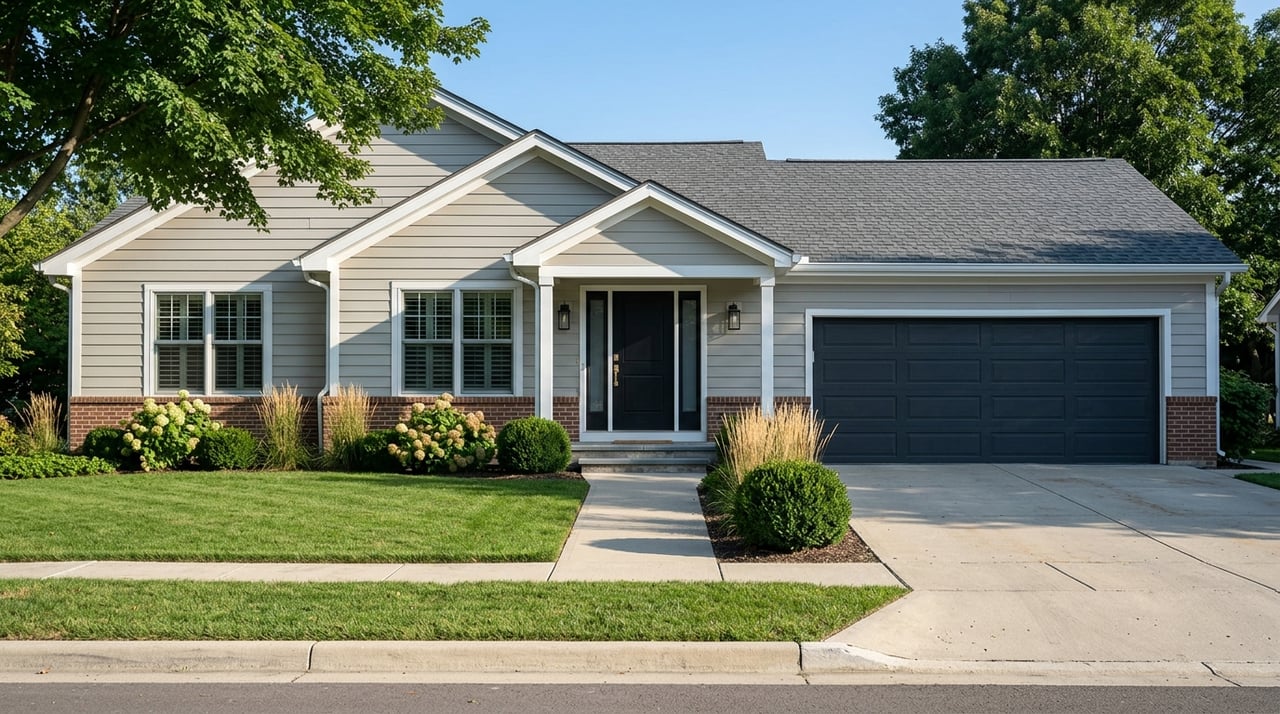
In this era you will commonly see original footprints of roughly 1,200 to 1,800 square feet that owners have expanded or finished over time. Expect three bedrooms and one to two baths as a base. Many buyers love ranches for single-level living, and split-levels for smart use of space and value. Plan for typical mid-century updates like insulation, window replacement, modernized kitchens, and electrical service upgrades.

Raised ranch and bi-level

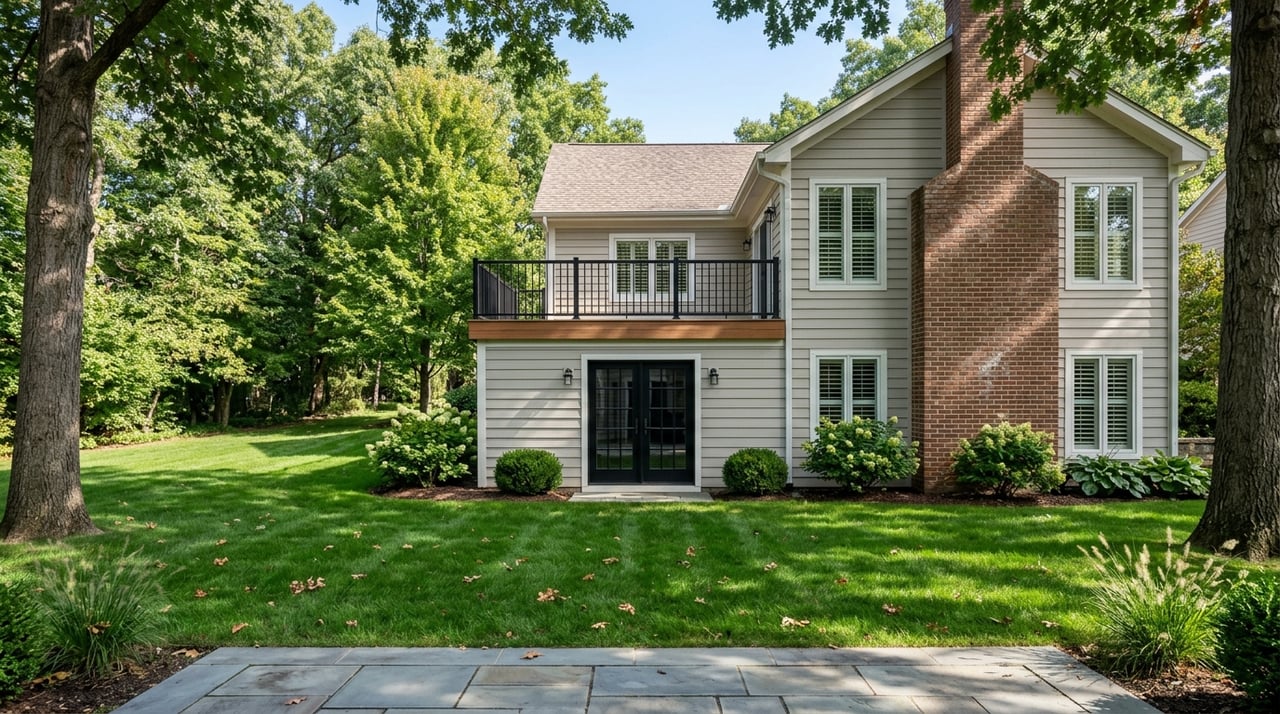
A raised ranch, also called a bi-level or split-foyer, brings you an elevated main entry with a partially exposed lower level. That lower level often holds a rec room, laundry, and mechanicals, with bedrooms and primary living above. This format is common on gently sloped lots from the 1960s to 1980s and can live larger than it looks from the street.

1980s–2000s two-story colonials and neo-colonials

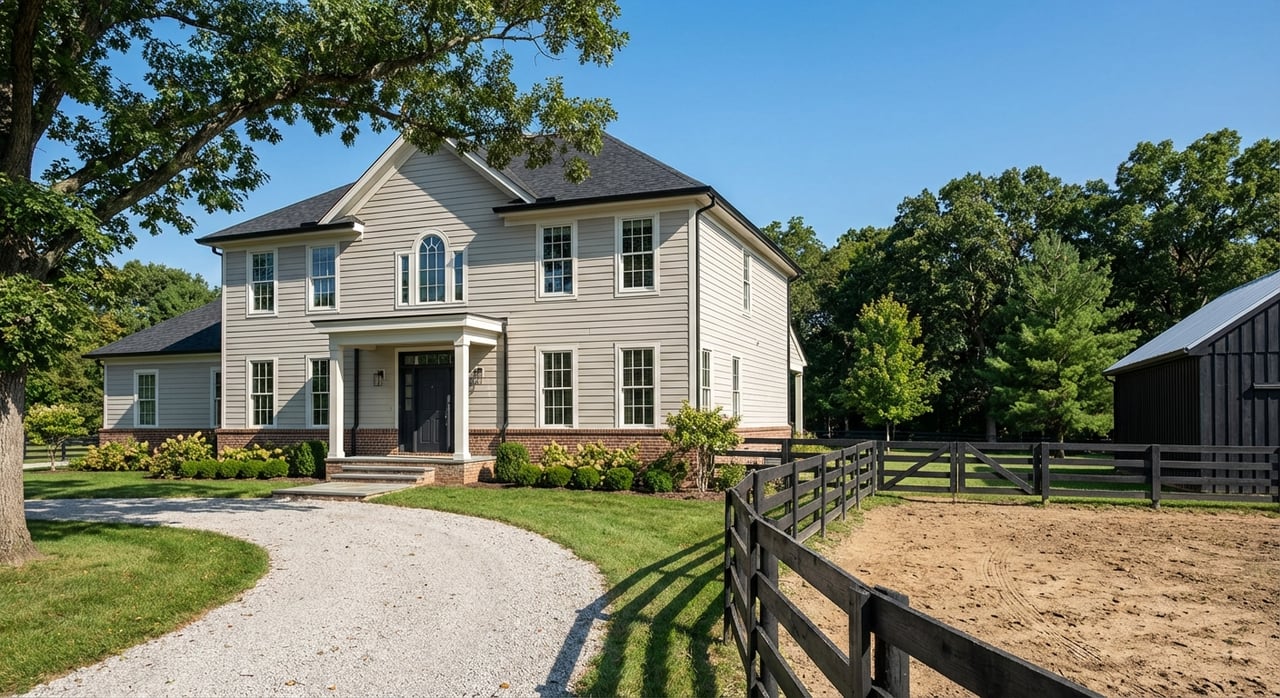
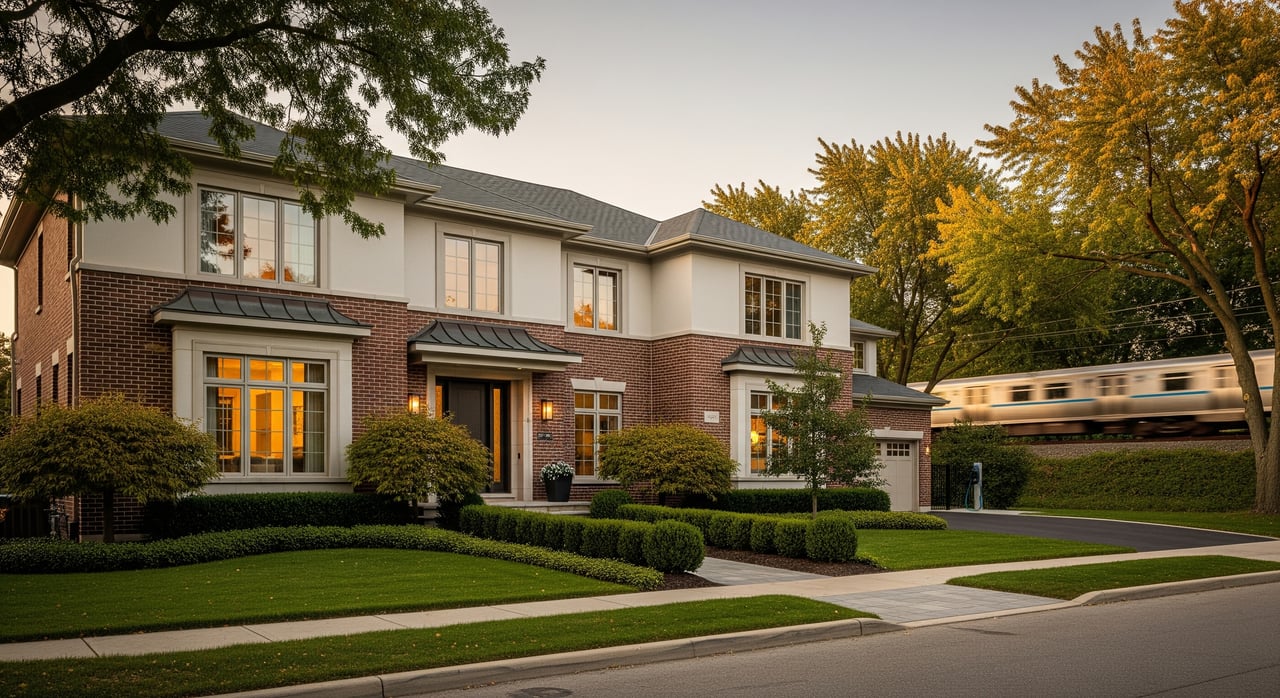
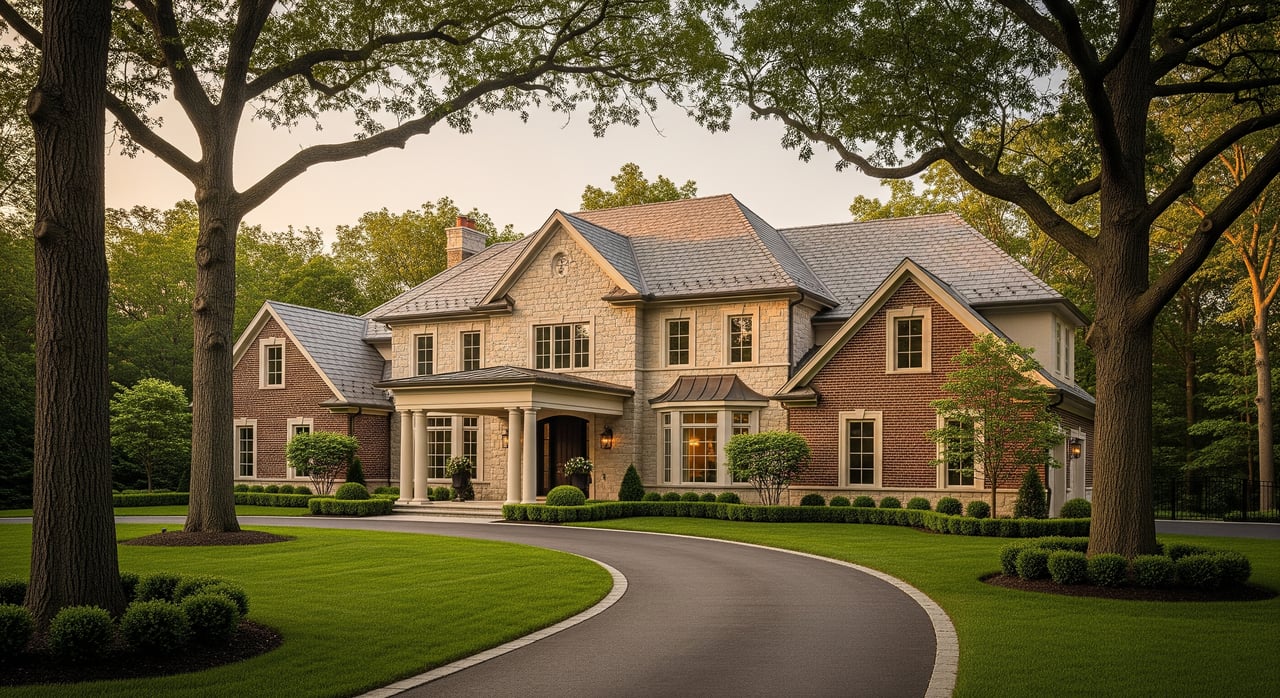
Later suburban waves brought two-story plans with attached two or three-car garages, larger family rooms that open to the kitchen, and a bedroom suite on the upper level. Many of these homes range from the mid 2,000s to the 3,000s in square footage, consistent with ATTOM’s place-level average. You will often see formal living and dining near the entry, then an open family-kitchen zone toward the rear. These homes balance space, storage, and yard size in a way that attracts move-up buyers.

Lakefront and custom homes

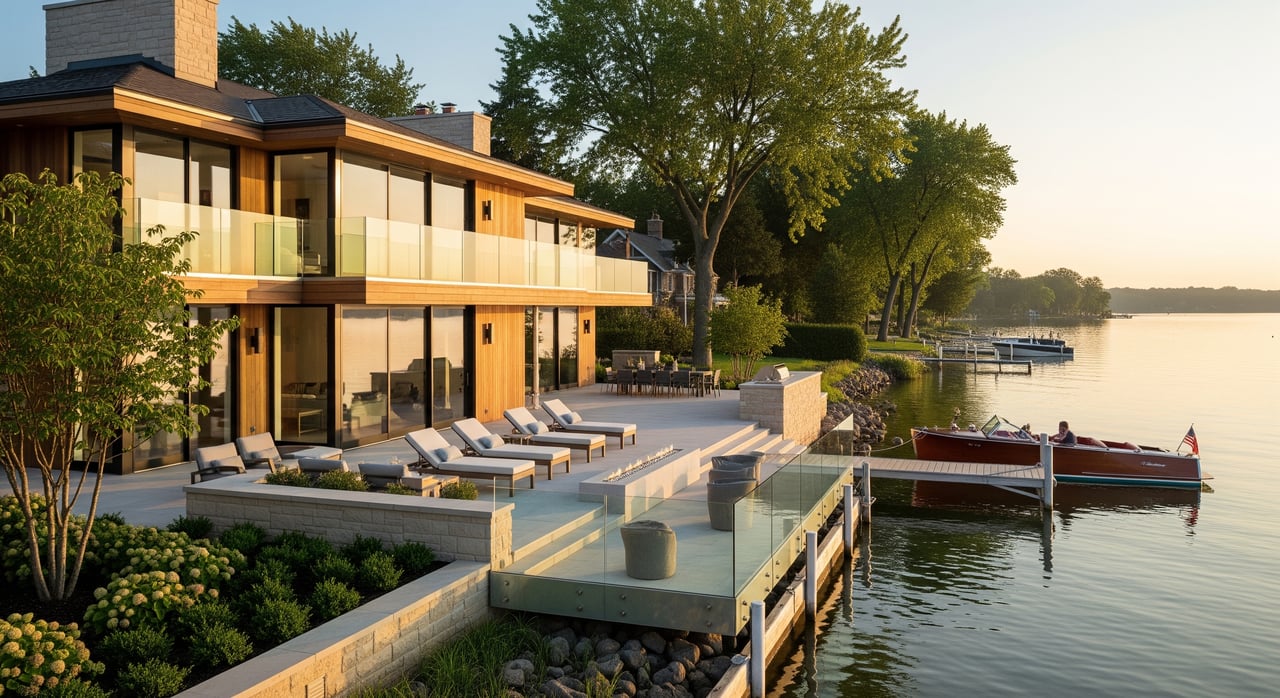
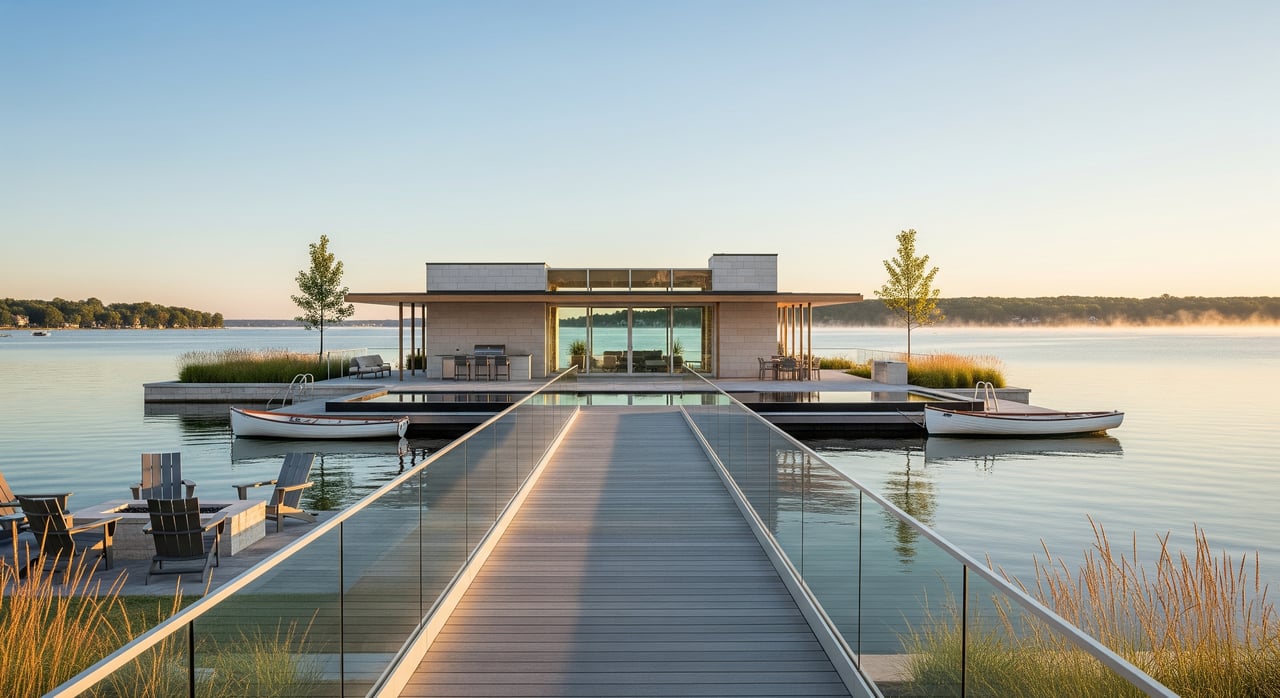
Lake-adjacent pockets and direct waterfront properties form a distinct tier. You will find everything from updated vintage cottages to large custom builds. Prices swing with frontage, views, lot size, and finish level. Waterfront living also brings extra diligence. Confirm pier or dock permits, shared-access easements, and flood maps before you offer. FEMA’s resources explain how to review flood risk and the implications for insurance and improvements.

Price points: what your budget often buys

These ranges are patterns, not guarantees. They reflect recent medians and typical inventory and will shift with market conditions and the specific neighborhood.

Under about $350,000: entry options

  • What you will usually find: smaller condos or townhomes, or occasionally a compact ranch or bi-level single-family that needs cosmetic updates and system work.
  • Common trade-offs: older mechanicals, smaller kitchens, and fewer baths. You can win on location or lot, then add value with targeted updates over time.
  • Who it fits: first-time buyers who want to build equity with projects and buyers who prioritize monthly payment over space.

About $350,000 to $600,000: the core market

  • What you will usually find: the bulk of mid-century ranches, split-levels, and raised ranches, plus modest two-story homes, often 1,200 to 2,200 square feet and three beds with two baths.
  • Condition spectrum: move-in-ready updates at the higher end, or homes that need a kitchen, bath, window, or basement refresh at the lower end.
  • Why it is competitive: this band brackets the village’s cited medians from Redfin and Zillow, so inventory moves faster when it is priced and presented well.

About $600,000 to $900,000: move-up and value plus

  • What you will usually find: updated colonials with larger lots, remodeled kitchens and baths, and finished lower levels. Some properties sit near the lake but do not have direct frontage.
  • What drives price: square footage, recent renovations, yard size, and subdivision appeal. ATTOM’s higher AVM-based median overlaps with this tier, which helps explain why you see many strong sales here in a good year.

$900,000 and up: upper tier and lakefront

  • What you will usually find: direct lakefront with private access, large custom homes, or acreage with privacy features.
  • Price drivers: water, land, and finish level dominate. The local market includes listings above $1 million, though these are fewer and more specialized.

Why neighborhoods matter inside the village

Within Lake Zurich, your budget stretches differently by area. Recent neighborhood-level medians show North Central around $400,000, the West Side near $490,000, and the Southeast about $512,000. Use that range as context, then zero in on recent solds in the exact subdivision you like to set expectations.

How age affects maintenance, updates, and costs

Older homes can cost less to purchase and more to modernize. Newer homes trade a higher purchase price for fewer near-term projects. Plan ahead using these era cues and lifecycle benchmarks.

Era-specific watchouts

  • Pre-1978 vintage homes: Lead-based paint is a known risk in homes built before 1978. Review the EPA’s guidance on protecting your family from lead and hire EPA/RRP-certified pros for dust-creating work.
  • 1950s–1970s ranches and splits: Expect electrical service upgrades, insulation, window replacement, and kitchen reconfiguration if original. Many of these homes also benefit from improved drainage and sump maintenance. A practical remodel guide to mid-century ranches highlights common update paths and pitfalls.
  • 1980s–2000s two-stories: Mechanicals may be on their second or third cycle. Kitchens and baths often reflect era finishes and layouts, so buyers usually decide between targeted refreshes and larger redesigns.
  • Lakefront properties: Add shoreline care, dock maintenance, and flood due diligence. FEMA’s training materials outline how to interpret maps and the basics of floodplain considerations.

Typical component lifespans

  • Asphalt shingle roofing: often about 20 to 30 years for architectural shingles, depending on product and exposure.
  • Forced-air HVAC and furnaces: commonly 15 to 20 years of useful life with regular maintenance.
  • Windows: many vinyl or fiberglass units last 20 to 40 years or more when properly installed.

For deeper reading, see these summaries of roofing lifespan, HVAC life cycles, and window longevity.

  • Roofing lifespan overview: asphalt shingle expectations and variables.
  • HVAC lifespan primer: how maintenance and usage affect service life.
  • Window longevity overview: typical ranges by material and installation quality.

Update costs and resale payback

National Cost vs. Value benchmarks help you rough-in budgets and expectations before you get local quotes. Recent averages show a minor midrange kitchen remodel around $28,500 with an estimated 113 percent resale recoup, and an asphalt-shingle roof replacement around $31,900 with an estimated 68 percent recoup. Use these as directional guides, then validate with two to three local contractor bids.

A simple budgeting rule of thumb

  • Immediate post-purchase budget: plan about 1 to 3 percent of the purchase price for cosmetic fixes and small system work in the first 12 months.
  • Medium-term capital items: identify likely 1 to 5 year projects that can total 5 to 15 percent or more depending on age and goals. Think roof, HVAC, windows, and any kitchen or bath overhaul.

A smart shopping checklist for Lake Zurich

Use this quick list to compare homes and neighborhoods with confidence.

  • Recent sold comps: Review 6 to 12 months of closed sales in the same subdivision for price, days on market, and price per square foot.
  • Year built and average age: Check place-level stats and property records to map style to era. ATTOM’s snapshot is helpful for big-picture age and size context.
  • Layout by style: Confirm whether you are looking at a ranch, split-level, raised ranch, or two-story plan and how that aligns with your lifestyle. This architectural style guide can help you name what you are seeing.
  • Lot and lake access: Verify frontage, any shared or deeded access, and local rules for piers or docks if you are near the water.
  • Taxes and assessments: Pull the tax history from official county records during attorney review so your payment projection is accurate.
  • Flood maps and insurance: Use FEMA’s Map Service resources to identify any floodplain exposure, then confirm with your insurance advisor.
  • Update priorities by era: For pre-1978 homes, plan for lead-safe practices. For mid-century homes, budget for windows, insulation, kitchen, and electrical. For later homes, focus on mechanical cycles and finish updates. National Cost vs. Value data is a helpful starting place for pricing.

Work with a local guide you can trust

Every buyer’s wish list and budget is unique. We help you translate the style, era, and neighborhood differences into smart choices, and we bring you pre-market insights, trusted local vendors, and a clear plan for negotiations. If you are thinking about a move in or around Lake Zurich, we would love to help you compare options and act with confidence. Let’s talk about your next move with Kate Fanselow.

FAQs

What is the current median home price in Lake Zurich?

  • Recent snapshots show a median single-family sale price around $480,000 as of January 2026, with other indexes ranging from the low $470,000s to the low $500,000s depending on the source and method.

Which home styles are most common in Lake Zurich?

  • You will most often see 1950s–1970s ranches and split-levels, followed by 1980s–2000s two-story colonials, plus a smaller number of early cottages near the core and a distinct lakefront/custom tier.

How far does $500,000 go across neighborhoods?

  • Around $500,000 can buy an updated mid-century home or a modest two-story, but medians vary by area, so your buying power shifts with the subdivision and recent comparable sales.

What should I budget to update a 1960s ranch?

  • Plan 1 to 3 percent of purchase price for immediate fixes, then 5 to 15 percent for medium-term items like windows, insulation, kitchen, and electrical, with project costs guided by Cost vs. Value benchmarks and local bids.

What do I need to know before buying a lakefront home?

  • Confirm pier or dock permissions, any shared-access easements, and flood risk using FEMA resources, then price-in shoreline maintenance and potential insurance impacts before you offer.

Partner With Our Expert Team

We bring together a mix of integrity, imagination and an inexhaustible work ethic, striving to make each buying and selling experience the best possible. Contact us today to find out how we can be of assistance to you!